
By Mary Ann Ogbu
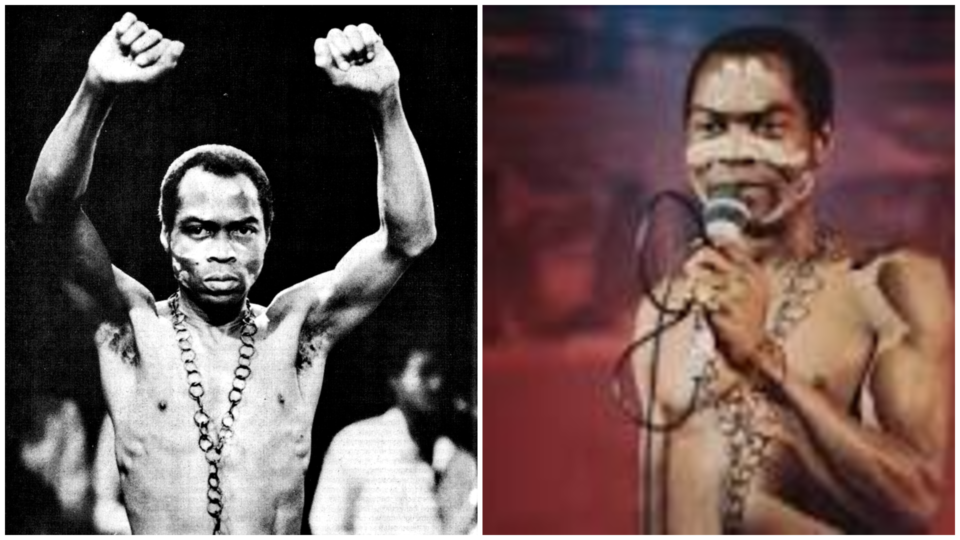
Long after his death, the music of Fela Anikulapo Kuti continues to attract listeners across generations and borders. His songs, performances and outspoken approach to social issues helped establish him as one of Africa’s most influential musical figures. Nearly three decades after his passing, international recognition in 2026 has once again placed his name in the global spotlight, raising an important question: how did a Nigerian musician build a legacy that continues to influence the world?
Born Olufela Olusegun Oludotun Ransome Kuti on October 15, 1938, in Abeokuta, Ogun State, Fela grew up in a family with strong interests in education, music and social activism. His mother, Funmilayo Ransome Kuti, was a prominent advocate for women’s rights and political change. Although his parents initially hoped he would pursue medicine, Fela chose a different path, travelling to London in 1958 to study music at Trinity College of Music.
His musical journey involved more than learning traditional techniques. During his time abroad, he encountered different musical styles and developed an interest in jazz. After returning to Nigeria, he experimented with highlife, Yoruba rhythms, jazz and funk, gradually creating a distinctive sound that became known as Afrobeat. His music combined powerful instrumental arrangements, extended performances and socially conscious messages.
Beyond entertainment, Fela used his music to speak against corruption, military oppression and social injustice. Songs such as Zombie criticised unquestioning obedience to authority, while other works challenged political leaders and questioned the direction of Nigerian society. His outspoken views frequently brought him into conflict with the authorities.
In 1977, following the release of Zombie, soldiers raided his communal home and recording centre, Kalakuta Republic, in Lagos. The attack destroyed the property and left his mother seriously injured. She later died from injuries associated with the incident. Despite these experiences, Fela continued using music to express his convictions.
His influence gradually extended beyond Nigeria, inspiring musicians and introducing international audiences to Afrobeat. His musical ideas have continued to influence contemporary African artists and performers around the world.
One of the most remarkable developments in Fela’s story came on January 31, 2026, when he received the Grammy Lifetime Achievement Award posthumously. The honour recognised his outstanding contribution to recorded music and his lasting influence on the global music industry. His children, Femi, Yeni and Kunle Kuti, accepted the award on his behalf at the ceremony in Los Angeles. He became the first African artist to receive this prestigious recognition.
Another major milestone followed in April 2026, when the Rock & Roll Hall of Fame announced Fela as one of its inductees for the year. He was recognised in the Musical Influence category for his contribution to the development of Afrobeat and his impact on generations of musicians. The induction ceremony is scheduled for November 14, 2026.
These honours have generated renewed interest in his music and legacy. They also demonstrate that an artist’s contribution can continue to receive recognition many years after their lifetime. Fela died on August 2, 1997, at the age of 58, but his influence remains visible through his music, family and annual cultural celebration, Felabration.
Fela Kuti’s story is more than that of a musician who created a distinctive sound. He was an artist who transformed his experiences and convictions into music that crossed cultural and geographical boundaries. His recent international honours remind the world that Nigerian music has made important contributions to global musical history.
Nearly three decades after his death, Fela’s voice continues to travel across generations, proving that although an artist’s life may end, the influence of great music can endure.
