
By Mary Ann Ogbu.
Nigeria’s rich cultural and linguistic diversity is preserved through a network of federal and state institutions dedicated to promoting arts, culture, language, and tourism. While federal agencies provide policy direction and national coordination, each state operates a ministry, bureau, or council responsible for preserving its unique cultural heritage and traditions.
The Federal Government oversees cultural development through key institutions, including:
National Council for Arts and Culture (NCAC): which promotes Nigerian arts, crafts, cultural festivals, and creative industries.
National Institute for Cultural Orientation (NICO): which reserves indigenous languages, promotes cultural education, and encourages national values.
National Commission for Museums and Monuments (NCMM): which protects museums, historical monuments, archaeological sites, and cultural artefacts.
Centre for Black and African Arts and Civilization (CBAAC): which preserves and promotes African cultural heritage through research and international cultural exchange.
National Gallery of Art (NGA): which develops and promotes Nigeria’s visual arts sector.
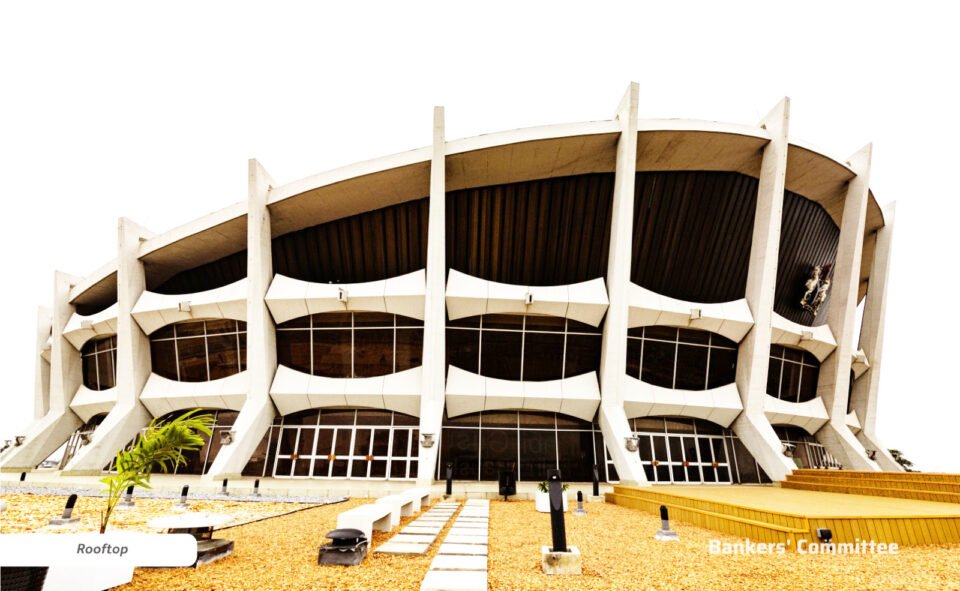
National Theatre and National Troupe of Nigeria: which promotes performing arts, including drama, music, dance, and cultural performances.
Across the 36 states and the Federal Capital Territory, cultural affairs are managed through ministries, bureaus, or councils of arts, culture, and tourism. Although their names differ from state to state, they perform similar responsibilities, including:
- Preserving indigenous languages and cultural traditions.
- Organising cultural festivals and exhibitions.
- Promoting traditional arts, crafts, music, and dance.
- Protecting cultural heritage and historical sites.
- Supporting tourism development and the creative economy.
States such as Lagos, Benue, Cross River, Oyo, Kano, Enugu, Ekiti, and Kaduna have established cultural institutions that actively promote their unique heritage while contributing to national cultural development.
Federal and state cultural institutions play a vital role in safeguarding Nigeria’s diverse cultural heritage. Through language preservation, heritage conservation, artistic promotion, and tourism development, these agencies ensure that Nigeria’s traditions remain relevant while contributing to national unity, cultural identity, and economic growth.
