
By Mary Ann Ogbu
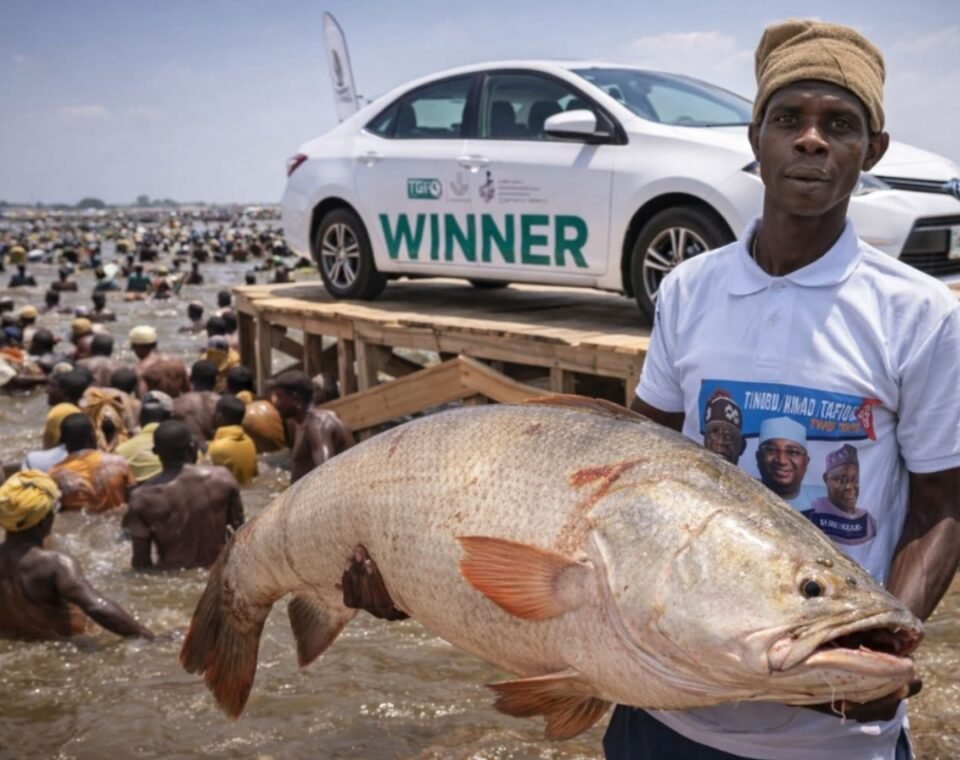
Every year, the quiet waters of the Matan Fada River is transform into a spectacular stage of culture, courage, and community as thousands of fishermen plunge into the river armed only with handmade nets and gourds. The is one of Africa’s most celebrated cultural festivals, attracting visitors from across Nigeria and around the world. More than a fishing competition, it is a vibrant celebration of heritage, unity, and the enduring traditions of the kabawa people.
Origins
The festival dates back to 1934, following a peace agreement between the people of Argungu, Sokoto Caliphate and the Kebbi Kingdom. What began as a symbol of reconciliation gradually evolved into an annual cultural celebration that showcases the history, resilience, and traditions of the Kabawa people.
Fishing has always been central to the livelihood and identity of the community. Under the traditional authority of the Kebbi Emirate, the Sarkin Argin Argungu (Emir of Argungu) plays an important ceremonial role during the celebration, while the Sarkin Ruwa (head of fishermen) symbolizes the community’s long-standing relationship with its rivers and fishing heritage. Through this annual celebration, ancestral customs, traditional knowledge, and indigenous values continue to be preserved and transmitted from one generation to the next.
The festival’s most anticipated event is the legendary fishing competition held on the Matan Fada River. At the ceremonial blast of the Kakaki, the royal trumpet, accompanied by the thunderous rhythm of the Ganga drum, thousands of Kabawa fishermen charge into the river in a breathtaking display of skill and determination.
Using only traditional fishing implements such as the Taru (hand-woven fishing net) and the Gora (dried calabash used as a floating aid), competitors race against time to catch the largest fish. Their catch is carefully placed inside Kwando, traditional woven baskets, while beautifully crafted Kwale-kwale (wooden paddle canoes) move across the river to assist participants and officials.
Beyond the fishing contest, the festival transforms Argungu into a vibrant cultural arena. The sounds of the Kalangu (talking drum), Ganga drums, and the melodious Algaita fill the air as cultural troupes perform energetic dances celebrating the history and traditions of the people. Visitors are also entertained by traditional wrestling contests, canoe racing, horse-riding displays, agricultural exhibitions, and colourful cultural parades.
The elegance of the festival is further reflected in its traditional attire. Men appear in flowing Babban Riga, embroidered Zanna caps, and majestic Rawani turbans, while women adorn themselves with intricate Lalle (henna) designs, adding beauty and cultural significance to the celebration.
Equally memorable is the festival’s culinary experience. Guests enjoy freshly grilled fish alongside northern Nigerian delicacies such as Suya, Kilishi, and the refreshing Fura da Nono, providing visitors with an authentic taste of the region’s rich gastronomic heritage.
The Argungu Fishing Festival offers visitors an unforgettable cultural immersion. Beyond witnessing one of the world’s largest traditional fishing competitions, tourists have the opportunity to interact with members of the Kabawa community, explore local craft markets, sample indigenous cuisine, and appreciate centuries-old customs that continue to thrive.
The festival is usually celebrated between February and March, when weather conditions are favourable for outdoor activities. Visitors are encouraged to respect local customs, dress modestly, seek permission before photographing individuals, and follow instructions provided by festival officials to ensure a respectful and enjoyable experience.
The festival serves as a significant driver of cultural tourism. Every year, thousands of visitors contribute to the growth of local businesses, including hotels, restaurants, transport services, artisans, and traders. Fishermen, craftsmen, and food vendors also benefit economically from the increased commercial activities associated with the celebration.
Beyond its economic value, the festival reinforces community cohesion and safeguards indigenous cultural heritage. Traditional fishing techniques, music, dance, craftsmanship, oral traditions, and ceremonial practices are passed down to younger generations, ensuring that the identity of the Kabawa people remains vibrant in an increasingly modern world.
The Argungu Fishing Festival remains one of Nigeria’s greatest cultural treasures and one of Africa’s most distinguished heritage festivals. It represents a harmonious blend of history, peace, tradition, and communal pride while showcasing the enduring relationship between the Kabawa people and the waters that have sustained them for centuries.
For travellers seeking an authentic cultural experience, a visit to Argungu is more than attending a festival—it is an invitation to witness a living tradition where the sound of the Kakaki, the rhythm of the Kalangu, and the excitement on the Matan Fada River unite to tell the timeless story of a people whose heritage continues to inspire the world.
