
By Fortune Mbonu
One social-media thread about kidney disease set off an avalanche of confessions. People poured in to say they were living with failing kidneys or had loved ones on dialysis. For a state that already appears to carry a heavy burden of kidney illness, the reaction has reopened uncomfortable questions: are everyday foods — flavoured, coloured and sweetened to please the eye and the palate — contributing to a quietly growing health crisis?
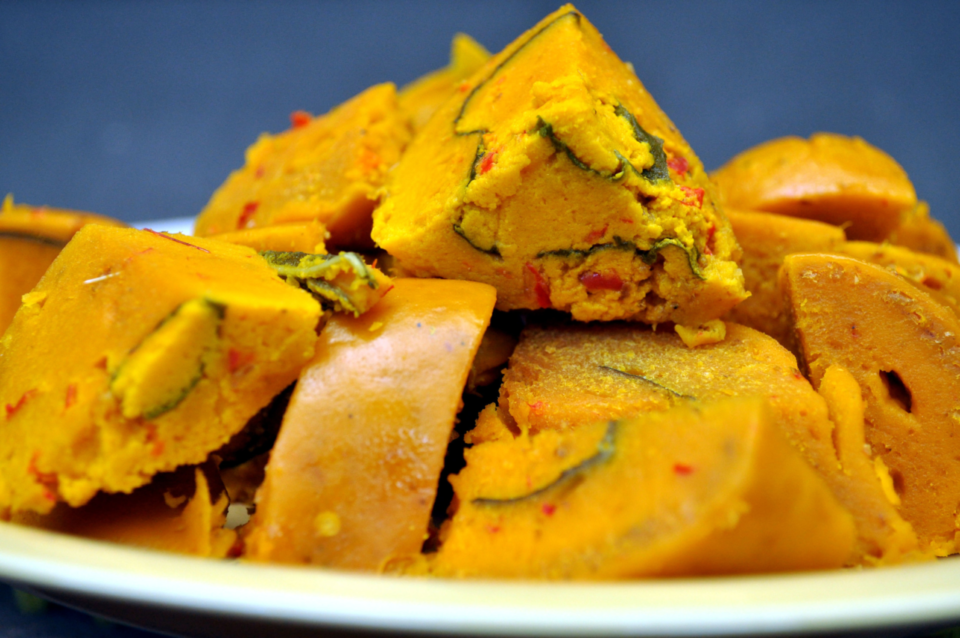
A commonly held suspicion in Enugu points to a beloved local staple: okpa. Made from bambara groundnuts and sold at roadside stalls and markets across the city, okpa is prized for its bright colour, fragrant smell and sweet, soft texture. But several residents and market traders say the okpa sold inside Enugu is different from that sold in neighbouring towns: it tastes sweeter, looks shinier and has a deeper red or orange hue.
“I have personally experienced kidney problems before and undergone several sessions of dialysis,” a long-time okpa lover had reportedly said. “I noticed that whenever I ate okpa from Enugu city, my urine turned reddish. Later I observed the same reddish colour in my son’s urine and stool whenever we ate okpa for breakfast.”
When his wife bought palm oil at Ogbete Market, a dealer reportedly asked whether she wanted “normal oil” or the one “specially for okpa production” — the latter said to contain additional colouring and sweeteners to make the product more attractive.
That revelation prompted the family to stop buying ready-made okpa. “If we still want it, she will prepare it herself at home,” he said.
The red flags in a bowl
The story of okpa is a useful case study in how food aesthetics and taste can mask hidden additives. Colourants and sweeteners are widely used across informal food economies in Nigeria to make products more visually appealing and to stretch flavours. Street-prepared drinks such as zobo and tiger nut juice, and market-made fruit juices, are frequently cited as products where unregulated additives may be present.
Two chains of concern emerge from these practices:
- Direct chemical exposure: colourants, sweeteners and other additives in finished foods may contain substances that are harmful in high doses or with repeated exposure.
- Agricultural chemicals: fruits and vegetables sold in markets may have been artificially ripened or treated with chemicals before sale, adding another source of potential toxicity.
Why kidneys?
Kidneys filter waste products and many chemicals from the blood; they are vulnerable to damage from persistent exposure to toxins, heavy metals, and certain pharmaceutical and industrial chemicals. Chronic kidney disease (CKD) can progress silently for years before symptoms appear, so communities with heavy exposure to contaminants may see higher rates without obvious immediate cause.
But caution is important: anecdote and suggestive patterns are not proof. The claim that okpa or other market foods are causing widespread kidney failure in Enugu requires systematic investigation, including chemical testing of foods, water, and biological samples, plus epidemiological study to measure risk.

What we know — and don’t
Local observations matter. The repeated accounts from residents — changes in urine colour after eating certain foods, clustering of cases in particular areas — are signals worth investigating.
Additives are common. Informal food production often uses colourants and sweeteners, some of which may be of unknown composition or purity.
Scientific gaps remain. There is limited published, focused research on kidney disease prevalence and environmental exposures in many Nigerian states, including Enugu. A targeted study might show whether Enugu’s suspected high rates of kidney failure correlate with specific dietary or environmental exposures.
Multiple causes are possible. Kidney disease has many drivers: hypertension, diabetes, infections, genetic factors, occupational exposures, contaminated water, and processed-food additives could all play roles in varying combinations.
Practical steps for consumers
- Prepare at home when possible. Buying raw ingredients and making drinks and snacks yourself reduces the chance of unknown additives.
- Ask questions at point of sale. If a vendor offers a “special” oil or additive, ask what it is and how it’s used.
- Prefer trusted sources. Buy from vendors and brands with known hygiene practices and transparent ingredients.
- Moderation. Reduce consumption of street-made drinks or brightly coloured snacks when the source is unknown.
- Seek medical advice. Anyone who notices persistent changes in urine colour, swelling, or reduced urine output should see a clinician and request kidney function tests.
What needs to happen next?
- Chemical testing: food samples (okpa, market juices, oils) and common ripening agents should be analyzed for banned additives, heavy metals, and contaminants.
- Epidemiological research: cluster analyses and population studies in Enugu could determine whether the state indeed has elevated CKD rates and identify risk factors.
- Public education and enforcement: vendors need information on safe food preparation; authorities should enforce regulations against harmful additives and unsafe ripening agents.
- Health surveillance: improved reporting and screening for kidney disease at primary health centres would detect cases earlier and guide interventions.
A word of balance
It’s tempting to point to a single culprit when a community faces an alarming disease burden. Taste, colour and convenience create strong economic incentives to use additives that may be unsafe. But kidney disease is usually multifactorial. Personal testimony and local patterns provide important leads; they must now be followed by testing and robust research to separate correlation from cause.
Until that evidence arrives, the safest course for families worried about kidney health is to reduce reliance on unregulated, market-prepared foods and to support calls for testing and public-health action.
To be forewarned is to be forearmed — and in the case of Enugu’s okpa, that may mean trading a few roadside delights for the comfort of knowing what’s really on the plate.
