
By Mary Ann Ogbu
In Nigeria, electricity is no longer simply something people expect to have; it is something many have learned to plan their lives around. From students struggling to study at night to business owners calculating the cost of running generators, unreliable power supply has become a burden that extends beyond darkness. It affects productivity, household finances, education and the ability of people to earn a living.
For small businesses, the consequences are particularly significant. Barbers, tailors, food vendors, cold room operators and computer businesses often depend on electricity to function. When supply fails, they are left with difficult choices: spend more on fuel, increase their prices, reduce operating hours or risk losing customers. Households, too, face additional expenses for generator fuel, phone charging, batteries and alternative energy sources. What should be a basic service increasingly becomes an extra financial responsibility.
Nigeria’s electricity challenges are not caused by a single problem. They stem from years of inadequate infrastructure, insufficient maintenance, gas supply difficulties, financial constraints and weaknesses across the power supply chain.
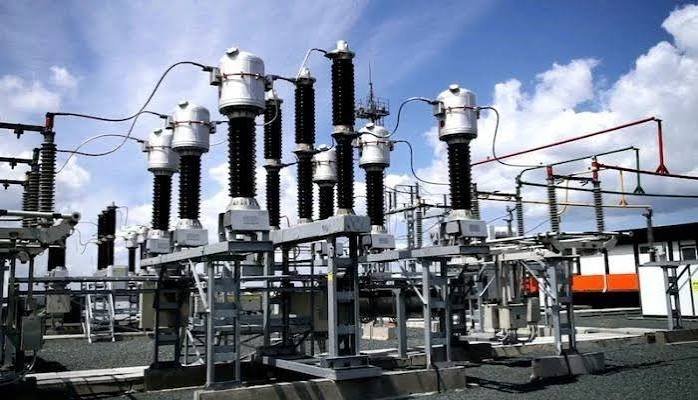
According to the Nigerian Electricity Regulatory Commission (NERC), ageing generating equipment and maintenance challenges have contributed to frequent outages at power plants. Gas supply constraints also limit the performance of thermal power stations, while transmission and distribution infrastructure struggle to deliver electricity efficiently to consumers. These interconnected weaknesses mean that generating electricity alone is not enough; it must also be transmitted and distributed reliably.
Addressing the crisis requires sustained investment and accountability across the electricity sector. Existing power infrastructure must be properly maintained and upgraded, gas supply to generating plants improved, and transmission and distribution networks strengthened to reduce losses and prevent disruptions.
Government and electricity operators must also ensure that reforms translate into measurable improvements in the quality of service consumers receive. Renewable energy, particularly solar power and decentralised systems, should be encouraged as complementary solutions, especially for communities and businesses poorly served by the national grid.
Reliable electricity is fundamental to economic development. Businesses cannot grow efficiently, students cannot learn comfortably, and industries cannot operate competitively when power supply remains unpredictable.
Nigeria’s electricity problem is therefore not merely about illuminating homes and streets. It is about restoring productivity, reducing the burden on citizens and creating an environment where people can work, learn and progress without constantly planning around power failure. The country must move beyond managing darkness towards building a system that delivers dependable electricity as a necessity, not a privilege.
