
By Fortune Mbonu
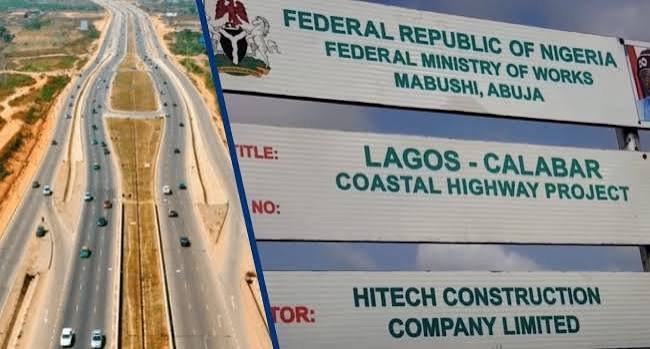
The controversy surrounding the alleged diversion of the Lagos-Calabar Coastal Highway away from the proposed Ilaje coastal axis in Ondo State has intensified, with affected communities demanding an independent investigation into the Federal Government’s decision and the financial implications of the project.
The Ilaje Omuro Community Connect (IOCC) has petitioned President Bola Tinubu, the National Assembly and anti-corruption agencies, calling for the publication of the original and revised route plans, engineering assessments, procurement records and comparative cost estimates.
The group argues that the route change raises questions about transparency, economic inclusion and whether public funds are being committed to the most cost-effective option.
Umahi Defends the Government
However, the Minister of Works, Senator David Umahi, has rejected suggestions that the route alteration was improper, insisting that the decision was based on engineering realities.
Speaking during a press briefing in Abuja on October 7, 2026, Umahi explained that the original alignment in Ondo State encountered difficult terrain, including deep pits and unstable ground conditions that would significantly increase construction costs.
He maintained that the government had to redesign the route to ensure the highway’s durability, safety and value for money. He also said President Tinubu had approved connecting parts of the highway to the existing East-West Road rather than maintaining an entirely new coastal alignment through the affected corridor.
Umahi further defended the project’s procurement arrangements, arguing that foreign banks providing 70 per cent of the project’s financing, with the Federal Government contributing the remaining 30 per cent, demonstrated openness in its funding structure.
In a separate appearance on Channels Television’s Politics Today on October 4, the minister dismissed suggestions that the coastal highway project was a conduit for money laundering. He also insisted that President Tinubu had not directed him to award the contract to Hitech Construction Company, saying he took responsibility for the procurement decision.
Questions Over Transparency and Accountability
Despite the minister’s explanations, the controversy leaves important questions unanswered for affected communities and taxpayers.
Critics want to know whether an independent assessment was conducted to compare the original coastal route with the alternative alignment, including construction costs, environmental consequences, long-term economic benefits and the implications for communities along the proposed corridor.
Concerns over procurement transparency and the disclosure of project documents also reinforce calls for stronger oversight of the multi-billion-naira infrastructure project.
While the allegations do not establish that corruption has occurred, any unexplained discrepancies in contract costs, procurement procedures or the handling of public funds would warrant investigation by the appropriate authorities.
The Federal Ministry of Works should therefore make the relevant technical and financial documents publicly available, while the National Assembly and anti-corruption agencies should independently examine any credible evidence of irregularities.
Ultimately, the central issue is whether the route change represents a technically justified and economically sound decision or whether any aspect of the process involved misconduct. An independent review, rather than competing political claims, would provide the clearest answer.
