
By Fortune Mbonu
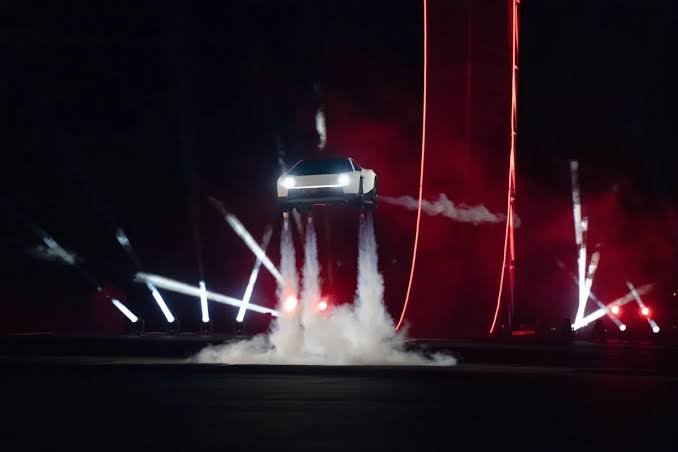
Elon Musk’s vision of a flying car has reignited conversations about the future of transportation, raising questions about how the technology could transform travel, mobility and tourism if it becomes commercially viable.
The Tesla and SpaceX CEO has previously discussed incorporating rocket-style technology into the next-generation Tesla Roadster, including thrusters that could potentially enable brief airborne manoeuvres. However, a commercially available flying car has not been confirmed, and claims of an official unveiling should be treated with caution.
If successfully developed, flying cars could introduce a new dimension to personal transportation, potentially allowing people to bypass traffic congestion, reduce travel times and reach destinations that are difficult to access by road.
A new era for travel and mobility
One of the most significant potential benefits of flying cars is their ability to reduce dependence on conventional road networks. Commuters travelling between busy cities could eventually have access to faster transportation options, while emergency services might benefit from improved access to locations affected by road congestion or difficult terrain.
However, the technology would face substantial challenges, including safety regulations, air traffic management, operating costs, weather conditions and the infrastructure required for take-off, landing and maintenance.
Rather than immediately replacing conventional vehicles, flying cars may initially serve as a premium transportation option for wealthy individuals and specialised commercial operators.
What it could mean for tourism
The tourism industry could also experience significant changes. Destinations that currently require long road journeys might become more accessible through aerial transportation, potentially encouraging visitors to explore remote beaches, mountain resorts, islands and rural communities.
Luxury tourism could benefit from private aerial transfers, scenic flights and exclusive travel experiences. Hotels and resorts might eventually partner with flying-car operators to provide transportation directly from airports or major urban centres.
For destinations in Nigeria, the possibilities could be particularly interesting. With the right technology, infrastructure and regulatory framework, aerial mobility could potentially improve access to selected tourist attractions, coastal destinations and locations where road transportation is inconvenient.
Nevertheless, such developments would depend on affordability, environmental considerations, airspace regulations and the availability of suitable landing facilities.
The challenges ahead
Despite its promise, flying-car technology is unlikely to become an everyday transportation option overnight. High development costs, passenger safety, noise pollution, energy requirements and the risk of mid-air collisions remain important concerns.
Governments and aviation authorities would also need to establish clear rules governing who can operate these vehicles, where they can fly and how they would interact with conventional aircraft.
There is also the question of accessibility: if flying cars remain prohibitively expensive, their benefits could be limited to wealthy travellers rather than the wider population.
The future of transportation
Whether Elon Musk’s vision eventually becomes reality, the growing interest in aerial mobility reflects a broader ambition to rethink how people and goods move from one place to another.
If flying cars become safe, practical and affordable, they could reshape urban commuting, create new tourism opportunities and change how destinations are connected.
For now, however, the concept remains an emerging technological possibility rather than an established transportation revolution. The real test will be whether the technology can move beyond impressive demonstrations to deliver a reliable, accessible and commercially sustainable alternative to existing travel options.
