
By Mary Ann Ogbu
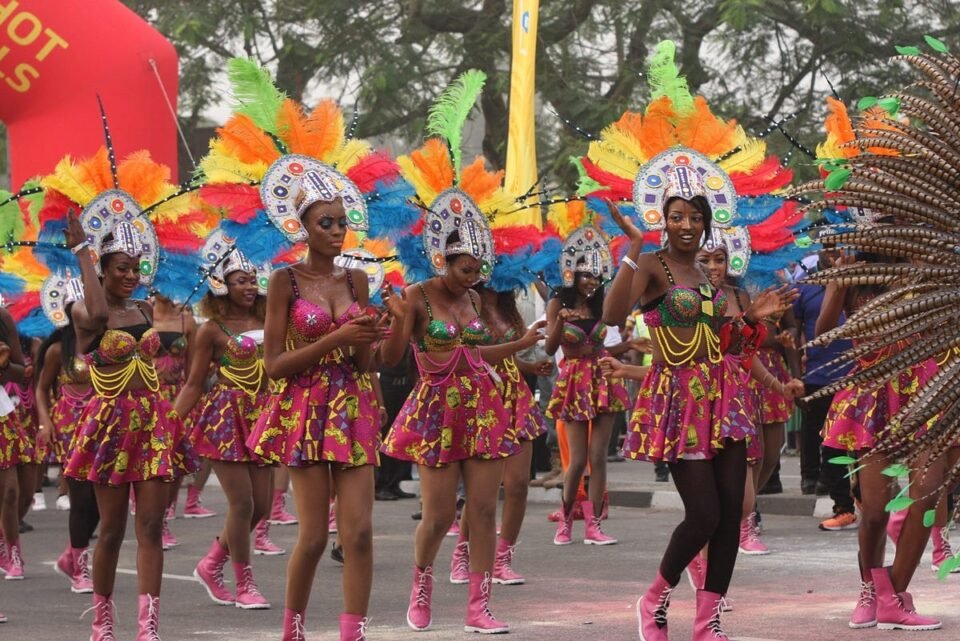
Cross River State is widely known for the colourful Calabar Carnival, but its cultural heritage extends far beyond the annual celebration. The state is home to diverse ethnic groups, including the Efik, Ejagham, Bekwarra, Yakurr, Bahumono, Boki, and Yala people. Together, they preserve unique traditions through languages such as Efik, Ejagham, Bekwarra, Yakurr, Boki, and Yala; traditional dances like Ekombi and Moninkim; festivals including the Calabar Carnival, Leboku New Yam Festival, and the new yam celebrations of other communities; local dishes such as Edikang Ikong, Afang soup, and Ekpang Nkukwo; and customs centred on hospitality, respect for elders, traditional leadership, and communal celebrations.
The Efik people, who are mainly found in and around Calabar, are known for cultural traditions such as Ekpe, Usoro Ndo.Their cultural heritage is reflected in traditional marriage rites such as Mbom (introduction) and Usoro Ndo (customary marriage), naming ceremonies, the annual Ndok Festival, and royal events led by the Obong of Calabar. The Obong of Calabar remains a respected symbol of Efik heritage, unity, and leadership.
The Ekpe traditional institution is one of the pillars of Efik culture. Through Ufok Ekpe (Ekpe lodge), Mbɔk Ekpe (Ekpe gatherings), sacred rites, symbolic rituals, traditional music, and Ekpe masquerade performances, it preserves the customs and cultural identity of the people.
Music plays an important role in Cross River’s cultural life during Usoro Ndo (traditional marriage), the Muri Munene coronation of the Obong of Calabar, and community celebrations. Traditional instruments such as wooden drums, slit drums, gongs, rattles, bells, flutes, and wooden clappers provide the rhythm for songs and dances.
Cross River’s cuisine is an important part of its cultural heritage. Popular traditional dishes include Edikang Ikong, Afang soup, and Ekpang Nkukwo. These meals are prepared with local vegetables, seafood, spices, and other ingredients that reflect the state’s agricultural and riverine environment.
Food is closely connected to hospitality. During family gatherings and cultural celebrations, meals are shared as a sign of generosity, unity, and welcome. Visitors can experience the culture of Cross River through both its distinctive flavours and the warmth of its people.
The state’s forests, rivers, and farmlands have shaped traditional occupations such as fishing, farming, hunting, weaving, and canoe carving. They have also inspired local foods like Edikang Ikong, Afang, and Ekpang Nkukwo, Mbre (folktales), and the communal way of life known for hospitality and respect for elders.
Cross River State is more than the Calabar Carnival. Its diverse ethnic groups, Ekpe heritage, Ekombi dance, traditional music, indigenous instruments such as the Obodom (slit drum), local cuisine, and the respected Obong of Calabar offer visitors a deeper cultural experience.
To explore Cross River is to experience the spirit of Ekpe, the grace of Ekombi, the taste of Edikang Ikong, and the warm Efik welcome of Mmọñọ , where tradition continues to thrive from one generation to the next.
