
By Mary Ann Ogbu
Nigeria is a nation endowed with remarkable cultural diversity, rich history, and breathtaking natural landscapes. Across its many ethnic groups and geographical regions lie traditions, monuments, and ecosystems that tell the story of a people whose heritage has endured for centuries. Among these treasures are sites recognized by the United Nations Educational, Scientific and Cultural Organization (UNESCO) as World Heritage Sites. This prestigious recognition is reserved for places of exceptional cultural or natural value that deserve protection for the benefit of present and future generations.
UNESCO World Heritage Sites serve as symbols of humanity’s shared legacy. They preserve history, celebrate cultural identity, encourage education, and promote sustainable tourism. Nigeria currently has two UNESCO World Heritage Sites—the Sukur Cultural Landscape in Adamawa State and the Osun-Osogbo Sacred Grove in Osun State. These sites not only reflect the country’s historical and cultural richness but also contribute to its global recognition as a destination of outstanding heritage.
The Sukur Cultural Landscape, located on the Mandara Mountains in northeastern Nigeria, became Nigeria’s first UNESCO World Heritage Site in 1999. It is celebrated as an exceptional example of a traditional cultural landscape that has remained largely unchanged for centuries. The area is renowned for its terraced farmlands, ancient stone architecture, iron-smelting traditions, and a sophisticated social and political system led by the Hidi, the traditional ruler.
The Sukur people developed remarkable agricultural techniques that enabled them to cultivate crops on mountainous terrain through carefully constructed stone terraces. Their settlements, sacred sites, ceremonial grounds, and traditional architecture demonstrate the ingenuity and resilience of the community. UNESCO recognized Sukur because it represents a living cultural tradition that illustrates the harmonious relationship between humans and their environment. Today, the site attracts researchers, historians, and tourists interested in learning about one of Africa’s oldest surviving cultural landscapes.
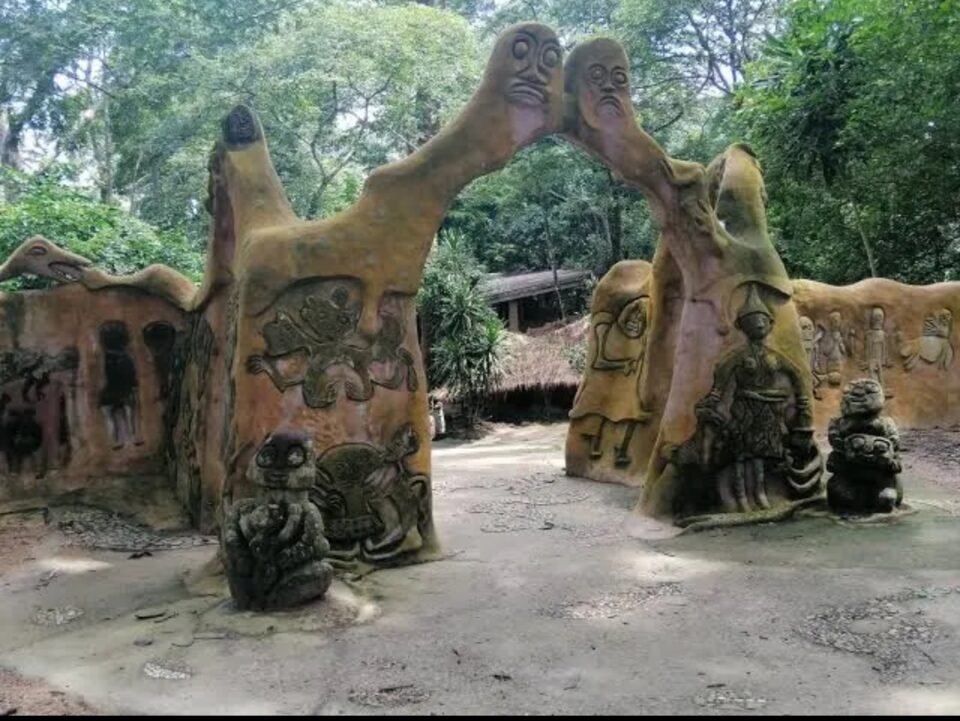
Nigeria’s second UNESCO World Heritage Site is the Osun-Osogbo Sacred Grove, inscribed on the World Heritage List in 2005. Situated on the outskirts of Osogbo in Osun State, the grove is regarded as one of the last remaining sacred forests of the Yoruba people. It is dedicated to Osun, the Yoruba goddess associated with fertility, purity, and the life-giving river that flows through the forest.
The grove contains shrines, sanctuaries, sculptures, sacred pathways, and traditional artworks that reflect centuries of Yoruba religious beliefs and artistic excellence. Every year, thousands of worshippers, tourists, scholars, and cultural enthusiasts gather for the internationally renowned Osun-Osogbo Festival, a celebration that showcases traditional music, dance, rituals, and colourful processions. The sacred grove represents not only a place of worship but also a symbol of the enduring spiritual and artistic traditions of the Yoruba people.
