
By Fortune Mbonu
Nigeria’s tourism story may be entering a new chapter. From the historic waterways of the Niger Delta to the festivals, food, music and cultural traditions that define communities across the country, the Federal Government is signalling a renewed effort to position tourism as more than a leisure activity but as an instrument for economic growth, cultural preservation and national development.
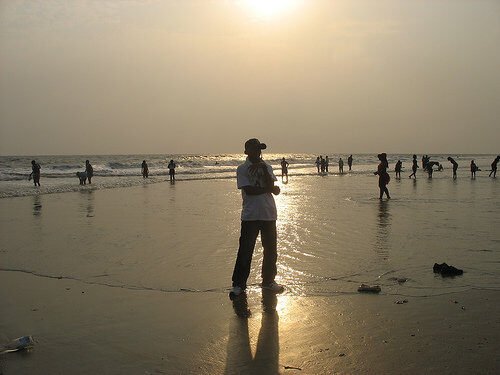
At the centre of this emerging strategy is Bonny Island in Rivers State, which the Federal Government has designated a premier national tourism destination. The designation is supported by a three-year investment plan aimed at transforming the island into a major economic pillar and strengthening its position within Nigeria’s tourism landscape.
The development comes at a significant time for the country’s tourism sector. Nigeria possesses enormous cultural and natural attractions, yet the sector has often struggled with infrastructure deficits, fragmented promotion, weak coordination among stakeholders and inconsistent policy implementation. The new initiatives suggest an attempt to address some of these challenges by creating a more deliberate and coordinated tourism ecosystem and Bonny Island offers a compelling place to begin.
Located in the Niger Delta, the island combines natural scenery, history and cultural heritage with a distinctive identity shaped by its people and its long-standing relationship with trade and the waterways. Its elevation as a premier tourism destination could therefore provide an opportunity to demonstrate what a properly planned Nigerian tourism destination can look like.
But the significance of the Bonny announcement extends beyond one island.
From isolated festivals to a national tourism calendar
Another major component of the Federal Government’s tourism strategy is the 100-day “Ember to Remember 2026” cultural tourism season, scheduled to run from September through December.
The initiative seeks to bring together Nigeria’s festivals, cuisine, music, heritage and cultural experiences under a unified national calendar. Rather than allowing individual events to exist as isolated attractions, the campaign presents them as parts of a broader tourism experience.
The season is expected to begin in Lagos on September 14.
The idea is important because tourism thrives on visibility and coordination. A visitor deciding to travel to Nigeria should not have to discover individual festivals and cultural experiences by chance. A national tourism calendar can make it easier for domestic and international visitors to understand when and where major experiences are taking place.
More importantly, it can encourage Nigerians themselves to become tourists within their own country.
Nigeria’s cultural diversity means that the country already possesses the raw materials for a thriving domestic tourism market. From traditional festivals and historical sites to local cuisine, music, crafts and natural attractions, virtually every region has stories and experiences that can be packaged for visitors.
The challenge has often been converting those assets into accessible, well-organised and marketable tourism products.
“Ember to Remember” could therefore represent more than a seasonal campaign. If sustained beyond 2026, it could become a framework for developing a recognisable national tourism brand around Nigeria’s cultural calendar.
Tourism requires more than destinations
Yet, for Nigeria’s tourism ambitions to succeed, designating destinations and organising festivals will not be enough.
Tourism is an ecosystem. It depends on transportation, accommodation, security, digital infrastructure, hospitality, entertainment, tour operators, destination management, skilled personnel and clear regulations.
This is where the ongoing conversation between the Federation of Tourism Associations of Nigeria (FTAN) and the National Institute for Hospitality and Tourism (NIHOTOUR) becomes significant.
FTAN has called for due process and transparent stakeholder engagement in relation to ongoing regulatory and institutional reforms involving NIHOTOUR. The association’s position highlights a fundamental issue facing Nigeria’s tourism industry: sustainable growth requires collaboration between government institutions and the private sector.
Regulation is necessary for any serious tourism industry. Standards can protect visitors, improve service delivery and professionalise operators. However, regulatory reforms must also be developed through meaningful consultation with the people and businesses operating within the sector.
The debate, therefore, should not simply be viewed as an institutional disagreement. It is part of a larger question about how Nigeria intends to build its tourism industry.
Who should shape tourism policy? How can government agencies, tourism associations, hospitality businesses, communities and investors work together? And how can regulations encourage professionalism without creating unnecessary barriers for businesses and emerging tourism entrepreneurs?
These questions will become increasingly important as government investment in tourism grows.
Bonny as a test case
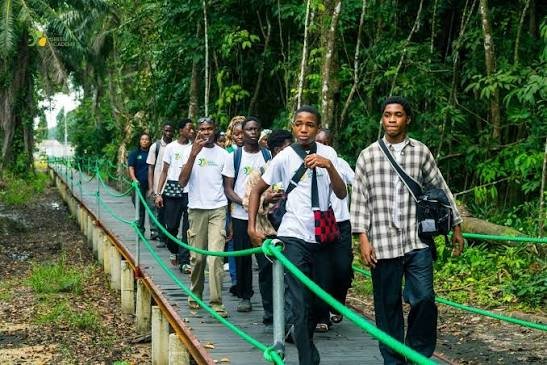
Bonny Island could ultimately become a test case for Nigeria’s broader tourism ambitions.
If the three-year investment plan succeeds in improving infrastructure, preserving heritage, attracting visitors and creating opportunities for local businesses, Bonny could demonstrate how tourism can generate economic value at the community level.
The benefits of a successful destination extend beyond hotels and tourist attractions. Tour guides, transport operators, restaurants, artisans, photographers, event organisers, performers, farmers and technology businesses can all participate in the tourism value chain.
This is particularly important in an economy searching for sectors capable of creating employment and diversifying sources of income.
Tourism also provides something that many industries cannot easily replicate: the ability to monetise culture without necessarily stripping it of its identity. When properly managed, a cultural festival can create income for communities while encouraging younger generations to preserve traditions that might otherwise disappear.
But this requires a careful balance. Tourism development should not turn communities into mere backdrops for visitors. Local people must be participants and beneficiaries of the industry.
A tourism economy built on confidence
Nigeria’s tourism potential has never really been in doubt. What has been missing is often the consistency, infrastructure and coordinated investment required to convert potential into an industry of scale.
The Federal Government’s latest initiatives point towards a different approach: identifying flagship destinations, creating national tourism campaigns and placing greater emphasis on cultural experiences.
The real measure of success, however, will not be the number of announcements made. It will be what visitors experience when they arrive.
Can they travel easily? Are destinations safe and accessible? Are accommodation and hospitality services reliable? Can they find accurate information online? Are local communities earning from tourism? Are cultural sites being preserved? And, perhaps most importantly, will visitors leave with a reason to return?
These are the questions that will determine whether Nigeria’s tourism renaissance becomes a temporary campaign or a lasting economic transformation.
Bonny Island has now been given a national spotlight. “Ember to Remember 2026” offers another opportunity to put Nigeria’s culture on display.
The next step is to ensure that the spotlight leads somewhere.
If government, private-sector operators and local communities can work together to build the infrastructure, skills, regulations and experiences that tourism requires, Nigeria could move from simply talking about its tourism potential to genuinely competing as a destination.
For Bonny Island, the journey has begun. For Nigeria’s tourism industry, it may be the beginning of something much bigger.
