
By Fortune Mbonu
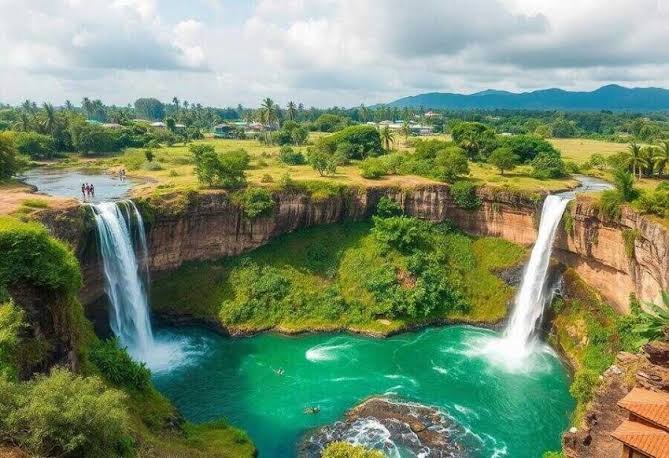
Tourism, as we know it, is often associated with holidays, beautiful landscapes, cultural festivals and memorable experiences. Yet beyond the excitement of travel lies a powerful instrument for economic transformation and national development. When properly planned and managed, tourism can create jobs, generate revenue, preserve cultural heritage, encourage infrastructure development and strengthen a nation’s image on the global stage.
The economic impact of tourism extends far beyond hotels and tourist attractions. A visitor who travels to a destination spends money on accommodation, transportation, food, entertainment, shopping and local experiences. This creates a chain of economic activity that can benefit businesses and individuals across different sectors.
A tourist visiting a cultural festival, for example, may require transportation to the destination, accommodation during the event, meals from local restaurants, souvenirs from artisans and entertainment from local performers. The money spent by that visitor circulates through the local economy, supporting drivers, hotel workers, food vendors, craftsmen, tour guides, photographers and many others.
This makes tourism an important source of employment, particularly for young people. It can provide opportunities not only for highly skilled professionals but also for entrepreneurs, artisans, performers, farmers, caterers and service providers.
Tourism and Infrastructure Development
A thriving tourism industry also creates pressure and incentive for governments to improve infrastructure. Roads leading to tourist destinations need to be accessible. Airports and transportation systems need to function efficiently. Reliable electricity, water supply, telecommunications, security and sanitation are essential to creating a destination that visitors want to return to.
Interestingly, these improvements do not benefit tourists alone. Better roads make it easier for farmers to transport produce to markets. Improved telecommunications connect communities to the wider economy. Better public spaces and sanitation improve residents’ quality of life.
In this way, investment in tourism infrastructure can become an investment in broader national development.
Preserving Culture and Identity
One of tourism’s most significant contributions to nation building is cultural preservation.
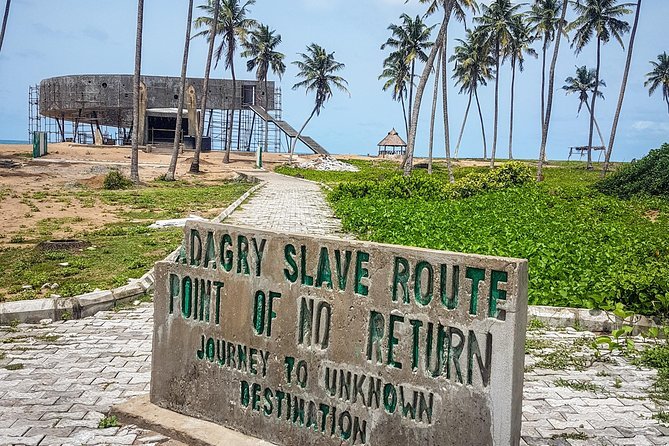
Every country has stories, traditions, languages, festivals, crafts, food and historical sites that distinguish it from others. Unfortunately, some of these cultural assets are gradually disappearing as societies modernise and younger generations become increasingly influenced by global culture. Tourism can provide an economic reason to preserve them.
When traditional crafts become commercially valuable, artisans have an incentive to continue practising and teaching their skills. When historical sites attract visitors, governments and communities have greater motivation to preserve them. When festivals draw domestic and international tourists, traditional music, dance, clothing and cuisine gain renewed relevance.
Tourism therefore has the potential to turn cultural heritage from something that is merely remembered into something that actively contributes to the economy.
Building a National Image
A country’s reputation influences how people perceive it as a destination for business, investment, education and tourism. Tourism provides an avenue through which nations can communicate their identity to the rest of the world.
Visitors who have positive experiences can become informal ambassadors for a country. They return home with stories about its people, food, culture and hospitality. International events, cultural festivals and iconic tourist destinations can similarly place a country in the global spotlight.
For a country like Nigeria, this opportunity is particularly significant. Nigeria possesses enormous cultural diversity, a vibrant creative industry, historic sites, natural landscapes and a population known for its entrepreneurial energy and cultural expression. Yet possessing these resources is not enough. They must be developed, packaged and promoted effectively.
The Nigerian Opportunity
Tourism in Nigeria has considerable potential, but the sector still faces challenges including inadequate infrastructure, insecurity in some areas, inconsistent policy, poor destination management and limited international promotion.These challenges demonstrate that tourism cannot be treated simply as an entertainment sector. It requires deliberate national planning.
The government has an important role to play in providing infrastructure, security, regulation and investment incentives. The private sector can develop hotels, attractions, transportation services, restaurants and tourism experiences. Local communities should also have a meaningful stake in tourism projects so that economic benefits do not bypass the people who live around tourist destinations.
Technology can further transform the industry. Digital platforms can make it easier for visitors to discover destinations, book accommodation, hire guides, purchase tickets and share their experiences. Social media can turn relatively unknown locations into global attractions when their stories are presented effectively.
Domestic Tourism Matters Too
Nation building through tourism does not depend exclusively on attracting foreigners. Domestic tourism can encourage citizens to explore their own country and develop a stronger appreciation for its diversity. A Nigerian who visits another region may encounter languages, traditions, cuisines and histories that are completely different from their own.
Such experiences can strengthen national cohesion by helping citizens understand that their differences are part of a larger national identity.
Domestic tourism also keeps tourism revenue within the country and can provide businesses with a more stable customer base. Developing a culture of travel among citizens is therefore just as important as marketing the country internationally.
Tourism Must Benefit Communities
However, tourism should not be pursued at the expense of the communities and environments that make destinations attractive in the first place.
Poorly managed tourism can lead to environmental degradation, overcrowding, exploitation of local communities and the commercialisation of culture without fair compensation. Sustainable tourism therefore has to be at the centre of national tourism policy.
Local communities should participate in decision-making and benefit economically from tourism activities. Natural resources should be protected, historical sites maintained and cultural traditions treated with respect.
The objective should not simply be to bring more people into a destination, but to create a tourism ecosystem that remains valuable for generations.
A Strategic Asset for the Future
Nation building is about more than constructing roads, schools and government buildings. It is also about creating productive industries, preserving identity, generating employment and developing a sense of collective pride. Tourism intersects with all of these objectives.
A well-developed tourism sector can create jobs, stimulate entrepreneurship, attract investment, preserve heritage, improve infrastructure and present a positive image of a nation to the world. It can transform places that were previously overlooked into centres of economic activity.
The question, therefore, is not whether a country has enough attractions to become a tourism destination. Almost every country has something worth seeing, experiencing or learning about. The more important question is whether it has the vision and systems necessary to transform those assets into sustainable economic and social value.
Tourism should no longer be viewed merely as an escape from everyday life. Properly harnessed, it can become part of the machinery through which nations build stronger economies, preserve their identities and create opportunities for their people.For countries seeking a more diversified and inclusive path to development, tourism is not simply about where people go on holiday. It is about what a nation can build from the places, people and stories it already possesses.
